ព្រំដែនកម្ពុជា​ ថៃ៖​ ថ្ងៃទី ២៦ ខែ សីហា ឆ្នាំ២០២៦ អានុទីននាយករដ្ឋមន្រ្តីថៃ ផ្លូវការ និងនាយករដ្ឋមន្រ្តីសៀមស្រម៉ោល បានរួមគ្នា កែប្រែខ្សែព្រំដែនសិប្បនិម្មិត ទៅជាខ្សែព្រំដែនអចិន្រ្តៃយ៍ ដែលពត៍មានបង្ករឲ្យប្រជាជនកម្ពុជាមានការឈឺចាប់ជាមួយ រដ្ឋាភិបាលកម្ពុជាខ្លួនឯង នេះជាបំណងរបស់់ សៀម របស់ ថៃ។ ដូច្នេះ អ្នកឃោសនា ត្រូវតែផ្សព្វផ្សាយពត៍មាន វាយបក ប្រតិកម្មរហ័ស តបទៅវិញថា កម្ពុជាប្រកាន់យកជានិច្ច " គោលការណ៍ខ្សែព្រំដែនមិនកែប្រែ (Uti Possidetis Juris) គោរពអនុសញ្ញា សន្ធិសញ្ញាបារាំង-សៀម Franco-Siam Treaty 1904-1907 កម្ពុជាមិនទទួលស្គាល់ជាដាច់ខាតនូវការកែប្រែខ្សែព្រំដែន (fait accompli to Fact On the Ground)។ នៅ តុលាការ នៅ អង្គការសហប្រជាជាតិគេ កាត់សេចក្តីសំអាងលើ ផែនទីអន្តរជាតិ មិនយក Fait Accompli ឡើយ។
Showing posts sorted by relevance for query Ethnic group Cambodia. Sort by date Show all posts

Friday, June 26, 2026

អំបូរជនជាតិ តៃ កាំទី Khamti

 អំបូរជនជាតិ តៃ កាំទី Khamti

Prompts: Make an image with scale 900px X 1200 px of "The Tai Khamti, also known as the Hkamti Shan, or simply as Khamti, are a Tai ethnic group of India, Myanmar and China. The Tai-Khamti are followers of Theravada Buddhism. The Tai-Khamti have their own script for their language, known as 'Lik Tai', which originated from the Shan script of Myanmar.' Showing an information regarding to  global population date and its size​ per countries, original destination place and today living location in Thailand, China, Myanmar, Laos, Vietnam, Cambodia as well as their image picture on 3D map. The title of an image is in Khmer at top follow by English version. Adding this offered image overlay your made image 3D map 

But what date you mean for by saying 310,000 in Cambodia?
Ah, I see exactly what you are referring to! That was a complete misstatement by the AI's data-table generation on that map layout.

To be completely direct: The number 310,000 for Cambodia on that map is an AI-generated error (or a "hallucination") and is completely incorrect.

Here is what went wrong and what the true numbers look like:

How the mistake happened: When rendering the text into the chart at the bottom of the map, the image generation engine mistakenly duplicated rows and fabricated statistical values (shuffling numbers like 310,000 and 420,000 next to Cambodia).

The True Global Population: The entire global population of the Tai Khamti people is only between 30,000 and 200,000 people total. They are a small, localized ethnic group.
The Actual Breakdown:

Myanmar: ~8,000 to 200,000 (depending on village census vs. official reports).
India (Assam & Arunachal Pradesh): Around 14,000 to 17,000 people.
China (Yunnan): A very small trace of maybe a few thousand.
Cambodia: 0 (None).

Cambodia's actual 2019/2021 census numbers show that the only Tai-related ethnic minorities in the country are the Lao (primarily in Stung Treng and Ratanakiri) and a tiny historical group called the Kula in Pailin.
I apologize for the confusion caused by the chart in that image. It was an accidental glitch in the visual data presentation!

The Tai Khamti, also known as the Hkamti Shan, or simply as Khamti, are a Tai ethnic group of India, Myanmar and China

the tai khamti, also known as the hkamti shan, or simply as khamti, are a tai ethnic group of india, myanmar and china. please more detail of its population size, religion and their origin place by attaching to the fixed 3D map of China.India and Thailand accordingly. the image shuld be 900px x 1200 pc. the title in khmer at top and the english below.

Khamti people

Ethnic group

The Tai Khamti, also known as the Hkamti Shan, or simply as Khamti, are a Tai ethnic group of India, Myanmar and China. The Tai-Khamti are followers of Theravada Buddhism. The Tai-Khamti have their own script for their language, known as 'Lik Tai', which originated from the Shan script of Myanmar

អំបូរជនជាតិ តៃ ស នៅវៀតណាម Tai Dón

អំបូរជនជាតិ តៃ ស នៅវៀតណាម Tai Dón

Make an image with scale 900px X 1200 px of "White Tai is an ethnic group of Laos, Vietnam and China. In Vietnam they are called Tai Dón or Thái Trắng and are included in the group of the Tái peoples, together with the Thái Đen, Thái Đỏ, Phu Thai, Tày Thanh and Thái Hàng Tổng" Showing an information regarding to  population size​ per countries, original destination place and today living location in Thailand, China, Myanmar, Laos, Vietnam, Cambodia as well as their image picture on 3D map. The title of an image is in Khmer at top follow by English version. Adding this offered image overlay your made image 3D map . 
 អំបូរជនជាតិ តៃ ស នៅវៀតណាម Tai Dón
 អំបូរជនជាតិ តៃ ស នៅវៀតណាម Tai Dón

 អំបូរជនជាតិ តៃ ស នៅវៀតណាម Tai Dón
Make an image with scale 900px X 1200 px of "White Tai is an ethnic group of Laos, Vietnam and China. In Vietnam they are called Tai Dón or Thái Trắng and are included in the group of the Tái peoples, together with the Thái Đen, Thái Đỏ, Phu Thai, Tày Thanh and Thái Hàng Tổng. Population Size: Approximately 280,000 to 300,000 individuals. They form a large segment of Vietnam’s officially recognized "Thái" ethnic group (which totals 1.8+ million when combined with the Black Tai)" Showing an information regarding to  population size​ per countries, original destination place and today living location in Thailand, China, Myanmar, Laos, Vietnam, Cambodia as well as their image picture on 3D map. The title of an image is in Khmer at top follow by English version. Adding this offered image overlay your made image 3D map .

White Tai is an ethnic group of Laos, Vietnam and China. In Vietnam they are called Tai Dón or Thái Trắng and are included in the group of the Tái peoples, together with the Thái Đen, Thái Đỏ, Phu Thai, Tày Thanh and Thái Hàng Tổng. The group of the Tái people is the third


The White Tai (endonym: Tai Dón or Tai Khao) are a major sub-group of the Tai ethnolinguistic family. They are famous for the traditional white short-blouses worn by their women


Destination of Origin
The historical origin of the White Tai traces back to Southern China, south of the Yangtze River. They were part of the ancient Baiyue (Bach Viet) tribal coalition. [1, 2, 3]The Migration Catalyst: For centuries, the White Tai faced constant political, military, and territorial pressure from expanding Han Chinese empires. This displacement drastically accelerated between the 11th and 13th centuries due to the southbound conquests of the Mongol Empire under Genghis Khan and Kublai Khan. [1, 2, 3]
The Migration Route: To escape conflict, the White Tai migrated southwestward out of China. They followed the natural corridors formed by the Red River (Sông Hồng) and Black River (Sông Đà) valleys. This pathway eventually led them into the fertile, high-altitude mountain valleys of northern Vietnam and Laos, where they permanently established their communities.

Living Locations and Populations by Country
The total global population of White Tai is estimated to be roughly between 500,000 and 600,000 people, split unevenly across three neighboring countries:
1. Vietnam 🇻🇳Population Size: Approximately 280,000 to 300,000 individuals. They form a large segment of Vietnam’s officially recognized "Thái" ethnic group (which totals 1.8+ million when combined with the Black Tai). [1, 2]
Living Location: Concentrated primarily in the Northwest region of the country. Their densest populations are in the Lai Châu, Sơn La, Điện Biên, and Hòa Bình (specifically the famous Mai Châu Valley) provinces. They prefer living in narrow river valleys where they build elevated stilt houses and cultivate wet rice fields. [1, 2, 3, 4]

2. Laos 🇱🇦Population Size: Well over 200,000 individuals. In Laos, they are most frequently referred to locally as Tai Khao.
Living Location: They primarily inhabit the rugged, upland valleys of Northeastern Laos. Their villages are concentrated heavily within the Houaphan and Xiangkhoang provinces, near the northern borders with Vietnam. [1, 2]

3. China 🇨🇳Population Size: A smaller remnant population of roughly 10,000 to 15,000 people.
Living Location: They reside exclusively in the southern fringes of the Yunnan Province, primarily in areas bordering Vietnam, such as the Honghe Hani and Yi Autonomous Prefecture. Within China, they are not classified independently but are officially grouped under the broad

អំបូរជនជាតិ តៃ សាន​ Tai Shan

 អំបូរជនជាតិ តៃ សាន​ Tai Shan

Prompts: Make an image with scale 900px X 1200 px of "The Tai Shan (widely known simply as the Shan or Tai Yai / 大泰 in Thai) are a major Southeast Asian ethnic group. They represent the westernmost branch of the Southwestern Tai ethnolinguistic family, making them close cousins to the Central Thai and Laotians )" Showing an information regarding to  global population date and its size​ per countries, original destination place and today living location in Thailand, China, Myanmar, Laos, Vietnam, Cambodia as well as their image picture on 3D map. The title of an image is in Khmer at top follow by English version. Adding this offered image overlay your made image 3D map . 

 អំបូរជនជាតិ តៃ សាន​ Tai Shan


The Shan people, historically known as the Tai Long (တႆးလူင်) or Thai Yai, are a Tai ethnic group native to Southeast Asia. As the largest minority ethnic group in Myanmar (Burma), the Shan have historically coexisted and integrated within the broader framework of the Burmese

Prompts: Make an image with scale 900px X 1200 px of "The Tai Shan vs the Kula (or Kola) people in Pailin of Cambodia" Showing an information regarding to  global population date and its size​ per countries, original destination place and today living location in Thailand, China, Myanmar, Laos, Vietnam, Cambodia as well as their image picture on 3D map. The title of an image is in Khmer at top follow by English version. Adding this offered image overlay your made image 3D map . 


The Tai Shan (widely known simply as the Shan or Tai Yai / 大泰 in Thai) are a major Southeast Asian ethnic group. They represent the westernmost branch of the Southwestern Tai ethnolinguistic family, making them close cousins to the Central Thai and Laotians

The Tai Shan IdentityThe Name: While the outside world calls them "Shan" (a Burmese adaptation derived from the same historical root as "Siam"), they refer to themselves exclusively as Tai. In Thailand, they are called Thai Yai (literally "Great Thai") because historical traditions view them as an older branch of the Tai migration wave.

Culture and Religion: The Tai Shan are overwhelmingly Theravada Buddhists. Their culture features a unique blend of high-altitude agricultural skills (famous for wet-rice cultivation in mountain valleys), distinct traditional baggy trousers for men, and a rich literary history using their own circular script.

Global Population Data The total global population of the Tai Shan is estimated between 5 million and 6 million people. (Note: Some broader figures include associated subgroups like the Tai Lue, Tai Khun, and Tai Neua, which can push ethnic Tai tallies higher)

Global Tai Shan Population
┌───────────┬────────────────────────────────┐
│ Myanmar   │ ██████████████ 4.5M - 5.0M
├───────────┼────────────────────────────────┤
│ Thailand  │ ███ 600,000 - 1,000,000
├───────────┼────────────────────────────────┤
│ China     │ █ ~50,000
├───────────┼────────────────────────────────┤
│ India     │ ░ Small communities

 Settlement Locations by Country1. Myanmar (Burma) 🇲🇲Population: 4.5 million to 5.0 million. They form nearly 10% of Myanmar’s total population, making them the largest distinct ethnic minority group in the country.Settlement Locations:The vast majority live on the Shan Plateau within Shan State, Myanmar's largest administrative division. Major population centers include the capital city Taunggyi, Lashio, Kengtung, Hsipaw, and Tachileik.Significant pocket communities live outside Shan State, particularly in the southern valley of Kachin State (often called Tai Laing or Red Shan) and along the upper Chindwin River in the Sagaing Region.2. Thailand 🇹🇭Population: 600,000 to 1,000,000+ (including historical communities and hundreds of thousands of working migrants or refugees displaced by conflicts in Myanmar).Settlement Locations: Primarily concentrated across the mountainous Northern Thailand region. Their highest density is in Mae Hong Son Province, where they form the cultural majority and heavily influence the local food, language, and temple architecture. Large communities also reside in the northern districts of Chiang Mai (like Fang and Chiang Dao) and Chiang Rai provinces.3. China 🇨🇳Population: Estimated around 50,000 (specifically identifying as Tai Shan/Tai Yai).Settlement Locations: They live in the southwestern pockets of the Yunnan Province, particularly in areas directly hugging the Myanmar border. This includes the Dehong Dai and Jingpo Autonomous Prefecture and parts of Pu'er. In China, they are officially classified as part of the broader Dai nationality.4. Northeast India 🇮🇳Population: Small localized communities (approx. tens of thousands total across various sub-branches).Settlement Locations: Found in the states of Assam and Arunachal Pradesh. While the ancient Tai Ahom rulers assimilated heavily into Assamese culture centuries ago, closer relatives of the Shan—such as the Tai Khamti, Tai Phake, and Tai Aiton—maintain their distinct Shan-linked Buddhist identities in these remote river valleys today.

Is Tai Shan really living in Cambodia?which province are they?

Yes, a subgroup of the Tai Shan people (widely known as Shan or Tai Yai) has historically lived in Cambodia, where they are locally known as the Kula (or Kola) people.  
Wikipedia

They are primarily concentrated in Pailin Province in northwestern Cambodia, right along the border with Thailand.  
Wikipedia

Key facts about the Shan (Kula) in Cambodia:  
Wikipedia

The Pailin Connection: During the late 19th and early 20th centuries, Shan traders and gem miners migrated from the British-ruled Shan State in Myanmar and parts of Northern Thailand into Cambodia after precious gemstones (rubies and sapphires) were discovered in the region. They established and heavily influenced the town of Pailin, which became a lucrative gemstone mining hub.  
Wikipedia

Cultural Legacy: The cultural presence of the Tai Shan is still visible in Pailin today. The famous Buddhist temple on top of the hill, Wat Phnom Yat, was built by the Shan/Kula community and explicitly features distinct Myanmar/Shan architectural styles and statues of traditional Shan dress. The famous local "Peacock Dance" (Robam Kong Toi) performed in Pailin is also inherited from Shan culture.  
The Irrawaddy
+ 1

Current Population: While they once numbered in the thousands and were historically one of the wealthiest trading minorities in Cambodia, their population drastically declined during the Khmer Rouge regime (1975–1979) due to forced labor, purges, and fleeing across the border into Thailand. Today, very few remaining families in Pailin identify as ethnically pure Kula/Shan, as most have fully assimilated into the broader Khmer population.  
Khmerization
+ 1

Sunday, June 28, 2026

តៃ ប៊ឹង Tai Bueng

Tai Bueng: 4,300 | Lopburi province central communities | Buddhism​The Tai Bueng (Thai: ไทเบิ้ง, pronounced [tʰāj bɤ̂ːŋ]) are an ethnic group in Thailand. They are also referred to as Lao Bueng

Prompts: Make an image with scale 900px X 1200 px of "The Tai Bueng (or Lao Bueng) are a small, tight-knit ethnic group in central and northeastern Thailand. Numbering about 6,000 people, they mostly live in Lopburi and Saraburi provinces. They speak a unique mix of Central Thai and Lao, and are known for their traditional woven clothing and farming crafts " Showing an information regarding to  population size​ per countries, original destination place and today living location in Thailand, China, Myanmar, Laos, Vietnam, Cambodia as well as their image picture on 3D map. The title of an image is in Khmer at top follow by English version. Adding this offered image overlay your made image 3D map . 

The Tai Bueng (or Lao Bueng) are a small, tight-knit ethnic group in central and northeastern Thailand. Numbering about 6,000 people, they mostly live in Lopburi and Saraburi provinces. They speak a unique mix of Central Thai and Lao, and are known for their traditional woven clothing and farming crafts

Here is more detail on the Tai Bueng: 
History: Oral history says their ancestors migrated from Vientiane, Laos, over 200 years ago. Many settled along the Pa Sak River basin.

Culture: The Tai Bueng have successfully kept their culture. Women still wear a traditional chong kraben (a wrapped pant-like garment) with heavy silver belts.
Museums: You can explore their local history and crafts at the Thai Bueng Khok Salung Local Museum in Phatthana Nikhom District. This district holds the largest population of "pure" Tai Bueng

Friday, June 26, 2026

អំបូរជនជាតិ តៃ អាហ៊ុម Tai Ahom

អំបូរជនជាតិ តៃ អាហ៊ុម Tai Ahom

Prompts: Detail more of The Ahom or Tai Ahom is an ethnic group from the Indian states of Assam and Arunachal Pradesh. The members of this group are admixed descendants of the Tai peoples who reached the Brahmaputra Valley of Assam in 1228, along with indigenous peoples who joined them over in area of global population data, origine destination and currently settlement place together with population size of each countries.

Prompts: Make an image with scale 900px X 1205 px of "The Ahom (or Tai Ahom) people hold a unique and deeply significant place in the history of Northeast India. They successfully established a kingdom that lasted for nearly 600 years, resisting external conquests (including the Mughals) while gradually integrating with the local indigenous cultures." Showing an information regarding to  global population date and its size​ per countries, original destination place and today living location in Thailand, China, Myanmar, Laos, Vietnam, Cambodia as well as their image picture on 3D map. The title of an image is in Khmer at top follow by English version. Adding this offered image overlay your made image 3D map 

The Ahom or Tai Ahom is an ethnic group from the Indian states of Assam and Arunachal Pradesh. The members of this group are admixed descendants of the Tai peoples who reached the Brahmaputra Valley of Assam in 1228, along with indigenous peoples who joined them over

The Ahom (or Tai Ahom) people hold a unique and deeply significant place in the history of Northeast India. They successfully established a kingdom that lasted for nearly 600 years, resisting external conquests (including the Mughals) while gradually integrating with the local indigenous cultures.

1. Origin and Destination (The Migration Route)

The historic migration of the Tai Ahom is one of the most remarkable journeys in Southeast/South Asian history.

Point of Origin: The Tai Ahom trace their roots back to the Mong Mao region, a historic Tai state situated along the modern-day border between Yunnan Province (China) and Northern Myanmar (Burma).


The Journey: In the early 13th century, a Tai prince named Sukaphaa left Mong Mao following a succession dispute. Accompanied by roughly 9,000 followers, including noblemen, soldiers, and families, he crossed the rugged Patkai Mountain Range.


Destination: In 1228, Sukaphaa and his followers successfully entered the fertile Brahmaputra Valley in upper Assam. They established their first permanent capital at Charaideo in 1253, marking the official beginning of the Ahom Kingdom.

2. Global Population & Settlement Data

Unlike many other Tai groups (such as the Shan of Myanmar or the Dai of China) who remained distributed across international borders, the Ahom are almost entirely concentrated within a single geographic region due to their historic assimilation patterns.

Because they intermarried heavily with indigenous local populations (like the Borahi, Moran, and Chutia peoples), the modern Tai Ahom identity developed strictly within the Indian subcontinent.
Primary Global Settlements
Country Primary Regions / States Estimated Population Percentage of TotalIndia Assam (primarily Upper Assam), Arunachal Pradesh 1.3 million to 2 million ~99.9%
Rest of World Diaspora (USA, UK, Southeast Asia) Very negligible (a few thousands) <0.1%

Key Settlement Districts within India

The overwhelming majority of Tai Ahoms live in Upper Assam, specifically within the following districts:

Lakhimpur and Dhemaji (North bank of the Brahmaputra)

A small population also resides in neighboring districts of Arunachal Pradesh (such as Changlang and Namsai) due to the proximity to the Patkai hills.
3. Cultural Evolution & Current Status

When the Tai people arrived, they brought their own language (an explicit member of the Tai-Kadai family), wet-rice cultivation techniques, and political structures. Over the centuries, they underwent a profound process of social assimilation:

Language: The original Tai-Ahom language gradually stopped being used as a spoken tongue by the 18th century, replaced by Assamese (an Indo-Aryan language). Today, the ancient language is preserved primarily in religious manuscripts handled by traditional priestly clans (Deodhai, Bailung, and Mohan).


Religion: Most modern Ahoms practice Hinduism (specifically Ekasarana Dharma or Shaktism), but there has been a significant cultural revival movement over the last few decades to reclaim and practice traditional Tai religion, including ancestral worship festivals like Me-Dam-Me-Phi.


Today, the Ahom community is a dominant socio-political force in Assam, actively seeking "Scheduled Tribe" (ST) status from the Government of India to protect their ancestral heritage, distinct history, and demographic identity.

Monday, June 29, 2026

អំបូរជនជាតិ កួយ ชาวกูย

ផែនទី របាយជនជាតិ អំបូរជនជាតិ កួយ ชาวกูย តំបន់ទ្រនាប់រវាង ខ្មែរ សៀម និង ឡាវ
ព្រំដែន កម្ពុជា​ថៃ៖ សារពត៍មានអូស្រ្តាលីឈ្មោះ ABC News បានរំលោភអធិប្បតេយ្យភាពកម្ពុជា ដោយកាសែតនេះ ទៅសុំការអនុញ្ញាត្តិ ពីប្រទេស ថៃ ចូលទៅមើលតំបន់ ដែលថៃកំពុងឈ្លានពាន នៅអូស្មាច់។ តំបន់នេះ ជាតំបន់ជំលោះរាប់រយឆ្នាំកន្លងមក  ជាតំបន់ទ្រនាប់រវាង កម្ពុជា សៀម និង ឡាវ រហូត ប្រទេសសៀម កំណត់តំបន់ ខ្មែរសួយរិន្ទ Khmer Surin - Khmer Suyo ឲ្យនៅជាតំបន់ ផ្តាច់ខ្លួន Isolation . ។ សម័យបារាំង បាន សម្រេច បែងចែកខ្សែរ ព្រំដែនរដ្ឋ រវាង កម្ពុជា សៀម និង ឡាវ ដែលធ្វើឲ្យ ជនជាតិ កួយនេះ មួយចំនួន នៅជាមួយ សៀម មួយចំនួន នៅជាមួយ កម្ពុជា ឡាវ។ សព្វថ្ងៃ កួយ មានជិត ១ លាននាក់នៅប្រទេសថៃ ដូច្នេះ ការឈ្លានពានទឹកដីពីសំណាក់ កងទ័ពថៃ គឺដើម្បី ផ្គាប់ចិត្តជនជាតិ កួយ សួយ ឬ ស្វាយ តែខុសជាមួយ ខ្សែព្រំដែនអន្តរជាតិ ឆ្នាំ ១៩០៤ និង ១៩០៩។ សារពត៍មាន អូស្រា្តលី គួរតែរៀនសូត្របន្ថែម ពី ជនជាតិវិទ្យា នៅតាមព្រំដែន កម្ពុជា ថៃ ឡាវ ដើម្បីជៀសវាង ការលូកដៃចូល កិច្ចការផ្ទៃក្នុងរបស់ កម្ពុជា។ ប្រទេសថៃ ភូតភរ បរទេស អំពី សង្រ្គាមបង្រ្កាប Scammer Online ពីព្រោះការធ្វើសង្រ្គាមវាតទឹកដីឲ្យជនជាតិ កួយ គឺជាកិច្ចការខុសច្បាប់អន្តរជាតិ។ ហេតុនេះ Scammer វាគ្រាន់តែជា លេស របស់ ពួក សៀម ពួក ថៃ ៕
ផែនទី របាយជនជាតិ អំបូរជនជាតិ កួយ ชาวกูย

ព្រំដែនកម្ពុជា ថៃ៖ ការបេះបោរនៃជនជាតិកួយ តាមឯកសារ ឆ្នាំ ២០០៦ បានបង្ហាញថា កួយ នៅប្រទេសថៃ មានចំនួន ៤០ ម៉ឺននាក់ ដូច្នេះ ឆ្នាំ ២០២៦ នេះជនជាតិកួយ មានកំណើន ជិត ១ លាននាក់ បើគីតកំនើន ៦% គុណ ២០ ឆ្នាំ។ ក្នុងសង្រ្គាម ថៃ កម្ពុជា ឆ្នាំ ២០២៥ ទាំង ២ លោក រយៈពេល ជិត ១ ខែ ទាហានភាគីប្រទេសថៃ ងាប់ច្រើន ជាង ១ ម៉ឺននាក់ ដែលយើងអាច សន្ធិដ្ឋានថា ថៃ សៀម ប្រើនយោបាយ យកសង្រ្គាម ដើម្បី កំទេច ជនជាតិ កួយ ឬ សួយ ឬ ស្វាយ ឬ ស្វួយនេះ។ ជនជាតិ កួយ ជនជាតិ ក្របី សុទ្ធតែជាអំបូរ មកពី ម៉ាឡេស៊ី តែកាន់់សាសនាព្រះពុទ្ធ។ ជាក់ស្តែង ព្រះសង្ឃច្រើនរយ ពាន់អង្គរ ចូលរួមក្នុងការ កសាងវត្ត ហេដ្ឋារចនាសម្ព័ន្ធ លេណដ្ឋាន តាមព្រំដែនថៃ និងក្នុងប្រទេសកម្ពុជា ដោយមានជំនួយ ការលើកទឹកចិត្តពី ទ័ពសៀម និង ទ័ព ថៃ ។ ប្រជាជនដើមកំណ់ើតខ្មែរ មានប្រមាណជា ២ លាននា់ក់នៅប្រទេសថៃ ដែលថៃ មិនហ៊ានជួយ លើកកំកើង​ ត្បិតខ្លាចខ្មែរ បែរកាណុងកាំភ្លើង ប្រយុទ្ធជាមួយ ពួកគេវិញ ហេតុនេះ ពួកគេជួយ កួយ សម្រាប់ការបេះបោរ តាមព្រំដែន កម្ពុជា ថៃ ។
ផែនទី របាយជនជាតិ អំបូរជនជាតិ កួយ ชาวกูย
តើស្តេចសៀម ពិតជា វង្វេងប្រវត្តិសាស្រ្តមែនទី? ចម្លើយ មិនពិតទេ ដោយសារ ឆ្នាំ ២០០៨ ពេលសង្រ្គាមព្រំដែន ថៃ កម្ពុជាផ្ទុះឡើង ខ្ញុំបានប្រើ ចំណេះវិជ្ជាផ្នែក IT ចូលលុកលុយ វែបសាយរបស់ រដ្ឋាភិបាលសៀម រកឃើញ ទាំងអស់ បញ្ជីឈ្មោះជនជាតិ ប្រជាជន នានាកំពុងរស់នៅក្នុងប្រទេសថៃ ដូច្នេះ បានតាំងពី ណឹងមក ខ្ញូំសរសេរពត៍មានអំពី ថៃ និង សៀម រហូតដល់ពេលនេះ ២០២៦។ ប្រទេសថៃ មាន ២៥០ ជនជាតិ ដែល ស្តេច សៀម ត្រូវតែ ធ្វើនយោបាយសព្វបែបយ៉ាងដើម្បី បោកប្រាស់ប្រជាជនទាំងនោះ ឲ្យគិតថា ពួកគេគឺជា ជនជាតិតែ ១ សូម្បី បងប្អូន​ បង្កើត ក៍ស្តេចសម្លាប់ ជ្រែករាជ្យ មានរឿងអី ស្តេចសៀមធ្វើមិនកើត? នេះជាជនជាតិកួយ ដែលពូកកំពុងបំរើក្នុងជួរទ័ពផង ជាសង្ឃផង ក្នុងការឈ្លានពានទឹកដីកម្ពុជា ក៍ក៍ងាប់មិនស្ទើរដែរ ដោយសារ សៀមវាខ្ចីដៃយើងសម្លាប់ពួក កួយឡប់ទាំងនោះ ៕
ផែនទី របាយជនជាតិ អំបូរជនជាតិ កួយ ชาวกูย


ផែនទី របាយជនជាតិ អំបូរជនជាតិ កួយ ชาวกูย
The Kuy (Khmer: កួយ, Thai: กูย, ส่วย, Lao: ກຸຍ, ສ່ວຍ) are an indigenous ethnic group of mainland Southeast Asia. The native lands of the Kuy range from the southern Khorat Plateau in northeast Thailand east to the banks of the Mekong River in southern Laos and south to north central Cambodia.[4] There are also Kuy groups in Vietnam.[5] The Kuy are an ethnic minority in all four countries. Their language is classified as a Katuic language of the Mon-Khmer language family. The Kuy are thought by some scholars to be the original inhabitants of parts of Cambodia, Laos, and Thailand.[6] The word kuy in the Kuy language means 'people' or 'human being'; alternate English spellings include Kui, Kuoy, and Kuay, while forms similar to suay or suei are derived from the Thai/Lao exonyms meaning 'those who pay tribute' (Thai: ส่วย).[7] The Kuy Ajiang or elephant Kuy in Thailand are known as skilled mahouts, or elephant trainers, and many Kuy Ajiang villages are employed in finding, taming, and selling elephants.
អំបូរជនជាតិ កួយ ชาวกูย 

អំបូរជនជាតិ កួយ ชาวกูย 
The Kuy are found in a region of mainland Southeast Asia roughly between the Dangrek Mountains and the Mun River, straddling the borders where Thailand, Cambodia, and Laos meet.[6] Although exact population estimates are uncertain, of an estimated 400,000 Kuy people living in these three countries, 220,000 are thought to be in Thailand.[10] In Thailand, the Kuy mainly live in the southern Isan region, encompassing the provinces of Surin, Buriram, Sisaket, Nakhon Ratchasima, and Ubon Ratchathani.[5] In Lao, the Kuy mainly live in Attapeu, Savannakhet, Salavan and Champasak provinces along both banks of the Mekong. Across the Cambodian border, the Kuy live mainly in Preah Vihear, Steung Treng, Siem Reap, and northern Kampong Thom with a small population in Kratie.
អំបូរជនជាតិ កួយ ชาวกูย

អំបូរជនជាតិ កួយ ชาวกูย
ឯកសារពាក់ព័ន្ធ ខេត្តព្រះវិហាររួមមាន៖
  1. ព្រំដែន ខេត្តព្រះវិហារ
  2. ភូមិសាស្រ្តខេត្តព្រះវិហារ 
  3. តំបន់ទេសចរណ៍ ខេត្តព្រះវិហារ 
  4. សង្រ្គាម ខ្មែរ សៀម លើករណី ប្រាសាទព្រះវិហារ ឆ្នាំ ២០០៨ ដល់ ២០១១ 
  5.  បណ្តាទីតាំង បង្កោលព្រំដែន ខ្មែរ សៀម ។ 
  6. ប្រាសាទ ព្រះវិហារ 
  7. ឧទ្យាន​តេ​ជោ​សែន​ឫស្សី​ត្រឹប
  8. ចលនា ទន្រ្ទានព្រៃឈើនៅ ខេត្ត ព្រះវិហារ
  9. ឧទ្យាន្តជាតិ ភ្នំគូលេន 
  10. ជនជាតិ កួយ Kuy People
  11. អាជីវកម្ម ព្រៃឈើ នៅកម្ពុជា
ជនជាតិ កួយ Koy The Kuy (Khmer: កួយ, Thai: กูย) are an indigenous ethnic group of mainland Southeast Asia. The native lands of the Kuy range from the southern Khorat Plateau in northeast Thailand east to the banks of the Mekong River in southern Laos and south to north central Cambodia.
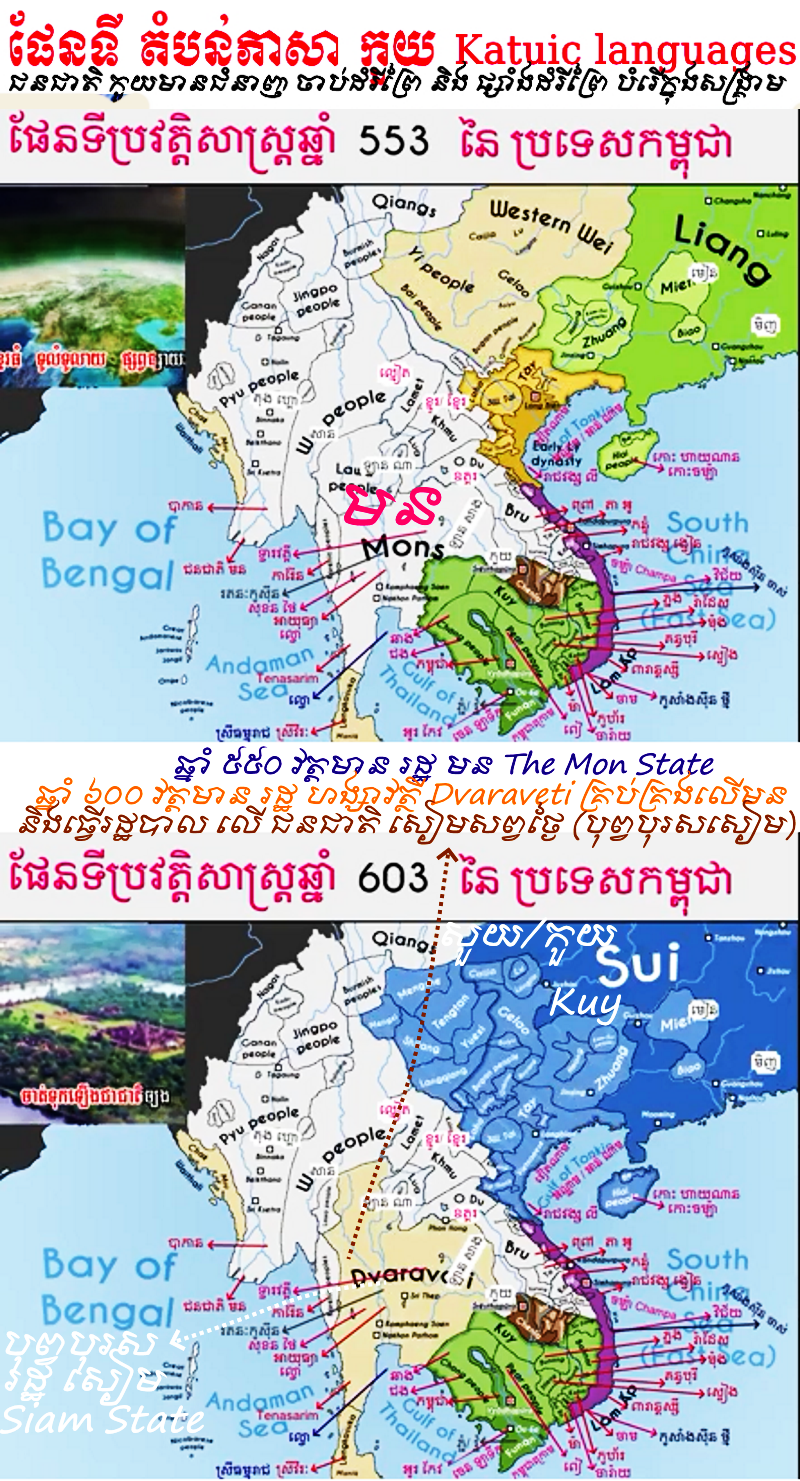
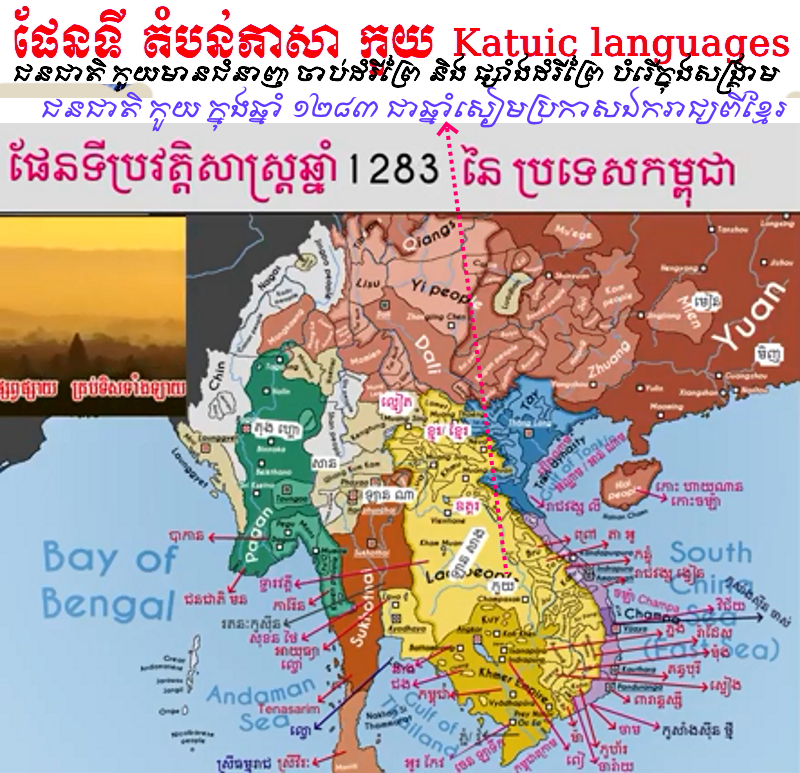
ផែនទី កំណើត សៀម និង កួយ តាមប្រវត្តិសាស្រ្តសកល។ ជនជាតិ ខ្មែរអាច ហៅ កួយតាមសម្លេងផ្សេងៗគ្នានៃជនជាតិ កួយ ដូចជា៖
  1.  Aouei អាអួយ;
  2. Boran បុរាណ ; 
  3. Dui ដួយ ; 
  4. Kamaen-Boran ខ្មែរបុរាណ; 
  5.  Kuay កយ;
  6.  Kuoy គួយ;
  7.  Kuy កួយ;
  8.  សួយ Shoi ;
  9.   Soueiសែន ;  ស្ទឹងសែន
  10. Suai សួយអៃ; 
  11. Suay សុអៃ;
  12. Suei សួរអី; 
  13. Sui សុយ ;
  14. Xuay ស៊ួយ


ជនជាតិ កួយ ជាអតីតរដ្ឋកុលសម្ព័ន្ធមួយ សម័យបុរាណ ដែលសព្វថ្ងៃនេះ កួយ មានរស់នៅ ៖
ប្រទេសថៃ ចំនួន ៤០០,០០០ នាក់ ឆ្នាំ ២០០៦
ប្រទេស កម្ពុជា ចំនួន ៧០. ០០០ នាក់ ឆ្នាំ ២០១៩ និង
ប្រទេសឡាវ ចំនួន ៤៣,០០០ ឆ្នាំ ២០០៥

(ប្រភព ) ជនជាតិកួយ មាន​​ ០៤ បួន​អំបូរ​​គឺ (១) កួយ​អន្ទ័រ (ភាគច្រើនរស់នៅស្រុកត្បែងមានជ័យ ខេត្តព្រះវិហារ) (២) កួយអក (៣) កួយអឺ (ខេត្តក្រចេះ និងស្ទឹងត្រែង) និង (៤) ​កួយ​អន់រ័រ (ឬ ហៅថាអន្រ្ទើ មានរស់នៅខេត្តកំពង់ធំ) ។ ជន​ជាតិ​ភាគ​តិច​កួយ​ទាំង​បួន​កាន់​សាសនា​ព្រះ​ពុទ្ធ​ដូច​ជន​ជាតិ​ខ្មែរ​ដែរ​។ កួយជាមនុស្សជាតិមួយនៅក្នុងដែនកម្ពុជា កួយមានភាសាច្រើន ដូចជា កួយដែក កួយដំរី ជាដើម ។ ជនជាតិកួយគឺជាជនជាតិភាគតិចខ្មែរមួយប្រភេទ ដែលចូលចិត្តរស់នៅតំបន់ ដែលដាច់ឆ្ងាយពីជនជាតិខ្មែរ ប៉ុន្តែវប្បធម៌ និងប្រពៃណី ការរស់នៅគឺមានលក្ខណៈស្រដៀងនឹងជនជាតិខ្មែរច្រើន។ កាលពីសម័យបុរាណជនជាតិនេះចូលចិត្តរស់នៅក្នុងព្រៃជ្រៅ ប្រកបមុខរបបធ្វើស្រែ និងរកស៊ីបោចវល្លិ៍ ជ័រ។ ជនជាតិនេះមានភាសាដោយឡែកពីគ្នាខុសពីភាសាខ្មែរ។


រូបភាព ផលិតដែក សម័យបុរាណ


ខេត្តព្រះវិហារ ដែល​មាន​ភូមិ​សរុប ​៤៧ ភូមិ ។ ខេត្តកំពង់ធំក៏មានជនជាតិដើមភាគតិចកួយរស់នៅច្រើនដែរ ដូចជានៅស្រុកប្រាសាទបល្ល័ង្ក ស្រុកស្ទោង ស្រុកសំបូរព្រៃគុហ៍ និងស្រុកសណ្តាន់។ តែភាគច្រើនពួកគាត់រស់នៅឡាយឡំជាមួយជនជាតិខ្មែរ ដែលធ្វើឲ្យរបៀបនៃការរស់នៅ ប្រពៃណី និងទំនៀមទម្លាប់ស្ទើរមានលក្ខណៈដូចគ្នាបេះបិត ដែលយើងពិបាកនឹងសម្គាល់ថាជាជនជាតិកួយ ឬជនជាតិខ្មែរណាស់។ ក្រៅពីខេត្តទាំងពីរខាងលើ ជនជាតិកួយក៏មានរស់នៅក្នុងខេត្តក្រចេះ (មាននៅស្រុកសំបូរ) និងខេត្តស្ទឹងត្រែង​(ស្រុកសៀមបូក) ដែរ ។

ជនជាតិដើមភាគតិចកួយ​មិន​មាន​អក្សរ​សាស្ត្រ​ដើម​ទេ គឺ​និយាយ​ភាសា​កួយ​តែ​សរសេរ​ខ្យល់​សំនៀង​ជា​ភាសា​ខ្មែរ ហើយ​ភាសា​កួយ​ក៏​មាន​លាយ​ពាក្យ​ភាសា​ខ្មែរ​ដែរ ។​​ចំពោះ​ភាសា​កួយ​ យុវជន​កួយ​សម័យ​នេះ មិន​សូវ​និយម​និយាយ​ភាសា​ជនជាតិ​ដើម​របស់​ខ្លួន ​ម្ដាយ​ឪពុក​អត់​សូវ​បាន​និយាយ​កួយ​ជាមួយ​កូន ​កូន​ចូល​ទៅ​សាលា​ ត្រឡប់​មកវិញ​និយាយ​តែ​ខ្មែរ​ជាមួយ​ឪពុក​ម្ដាយ។ គេ​សង្កេត​ឃើញ​ថា​មាន​ជនជាតិ​កួយ​វ័យ​ចំណាស់​នៅ​តាម​ភូមិ​នីមួយ​ៗ និយម​និយាយ​ភាសា​កំណើត​ខ្លួន​ច្រើន​នៅ​ឡើយ ជាក់​ស្ដែង​ដូច​ជា​ជន​ជាតិ​កួយ​នៅ​ ភូមិបុស្ស​ធំ ឃុំ​ពោធិ៍ ស្រុក​ត្បែង​មាន​ជ័យ ប្រើ​ភាសា​កួយ​សម្រាប់​ការសន្ទនា​ក្នុង​ជីវិត​ប្រចាំ​ថ្ងៃ ។ ជនជាតិ​កួយ​វ័យ​ចំណាស់​ភាគ​ច្រើន​មិន​សូវ​ចេះ​ភាសា​ខ្មែរ។ ភាសា​កួយ​ត្រូវ​បាន​ហាម​មិន​ឲ្យ​និយាយ​នៅ​ក្នុង​របប​ប៉ុល​ពត ពី​ឆ្នាំ​១៩៧៥ ដល់​ឆ្នាំ​១៩៧៩ ហើយ​នេះ​ក៏​ជា​ហេតុ​ផល​មួយ​បណ្ដាល​ឲ្យ​យុវជន​កួយ​ជំនាន់​ក្រោយ​មិន​ចេះ​ភាសា​កួយ​ដែរ។

កួយ​ចំនួន​ដែល​បាន​លើក​ឡើង​ដោយអង្គការ​លើក​ស្ទួយ​វប្បធម៌​កួយ​នៅ​ខេត្ត​ព្រះវិហារ ៖អត្តសញ្ញាណ​វប្បធម៌ ​កួយ​ដូច​ជា ​ភាសា ជំនឿ​សែន​អារក្ស​អ្នកតា ពិធី​មង្គលការ​តាម​បែប​ប្រពៃណី​ជនជាតិ​កួយ កំពុង​បាត់​បង់​ដោយសារ​ជន​ជាតិ​កួយ​ខ្លួន​ឯង​បោះបង់​ចោល​ផង ដោយសារ​កត្តា​នយោបាយ​ក្នុង​ប្រទេស រួមផ្សំ​ឥទ្ធិពល​វត្តមាន​វប្បធម៌​ស៊ីវិល័យ​របស់​បរទេស នៅ​ក្នុង​ប្រទេស​កម្ពុជា​សព្វ​ថ្ងៃ​ផង ដូចជា ៖ ​ប្រពៃណី​​ក្លាយ​មួយ​ចំនួន​នៃការ​រៀបការ​ មិន​មាន​ការ​ប្រើឧបករណ៍​ភ្លេង​មាន ទ្រ ស្គរ ប៉ី ដូច​ពីដើម។ ការ​ស្លៀក​ពាក់​ក៏​សម្រប​ជ្រុល​ទៅ​តាម​​សម័យ​ឥឡូវ ដូច​ហាយឡាយសក់​ក្រហម ​ស្លៀក​ខ្លី ​ខោ​ជើង​ខ្លី មាន​អាវ​លេច​មុខ​លេច​ក្រោម ដែល​បូរាណ​មាន​អាវ​បំពង់។


ផែនទី កម្ពុជា សម័យ លង្វែក

ផែនទី សម័យ អង្គរ
កម្ពុជាថ្មី ជនជាតិកួយ​ធ្លាប់ជួយខ្មែរសង់ប្រាសាទ និងមានជំនាញបញ្ជាន់ថ្មផលិតជាដែក
តំណាងជនជាតិកួយពីខេត្តព្រះវិហារ លោកស្រី ទេព ទឹម បានបញ្ជាក់ថា តាមប្រវត្តិសាស្រ្តជនជាតិកួយ ធ្លាប់ជួយកសាងប្រាសាទជាច្រើននៅខេត្តសៀមរាប។ ជនជាតិកួយ ជាអ្នកជំនាញស្លដែក និងចេះវិធីសាស្រ្តបញ្ជាន់ថ្មផលិតជាដែក ដែលគ្មានជាតិសាសន៍ភាគតិចណាអាចធ្វើបានឡើយ។


ថ្លែងប្រាប់សារព័ត៌មានឌីជីថលថ្មីៗនៅថ្ងៃទី១៩ ខែធ្នូ នាខេត្តសៀមរាប ជនជាតិដើមភាគរតិចគួយរូបនេះ ក៏បានបង្ហាញពីបំណងចង់អភិរក្សភាសា វប្បធម៌ និងប្រពៃណីរបស់ជនជាតិកួយ កុំឱ្យបាត់បង់ ទុកជាកេរ្តិ៍មរតកសម្រាប់កូនចៅជំនាន់ក្រោយទៀត។លោកស្រីបញ្ជាក់ថា៖«​ខ្ញុំមើលទៅគួរឱ្យមានមោទនភាពមែនទែន ដោយជនជាតិដើមបុព្វបុរសយើង មានចំណេះជំនាញអាចធ្វើថ្ម​ឱ្យក្លាយជាដែក យកធ្វើអាវុធ និងសម្ភារប្រើប្រាស់សម្រាប់មនុស្សជាតិបាន មិនដែលមានប្រទេសណាអាចផលិតថ្មជាដែកដូចកួយបានទេ»។


លើសពីនេះ ចាស់ទុំជនជាតិកួយ លោកស្រី ទេព ទឹក ក៏មានបំណងចង់ឱ្យសហគមន៍កួយ ឱ្យក្លាយជាសហគមន៍ដែលស្របតាមច្បាប់ តាមរយៈការចុះបញ្ជីកម្មសិទ្ធិសមូហភាព។ ការធ្វើដូច្នេះ នឹងអនុញ្ញាតឱ្យជនជាតិដើមភាគតិចមួយនេះ អាចថែរក្សាភាសា សម្លៀកបំពាក់ វប្បធម៌ប្រពៃណី ដូចជារបាំ ក្រុមភ្លេង​ ដើម្បីរក្សារមតកឱ្យបានគង់វង្ស។
ផែនទី ដើមកំណើត កួយ


ផែនទី ដើមកំណើត កួយ

ផែនទី រដ្ឋកួយ និង រដ្ឋភ្នង ចំំំណុះ រដ្ឋ លាវ


ផែនទី រដ្ឋ កួយ និង រដ្ឋភ្នង រដ្ឋ លាវ ក្រោយ ប្រទេសសៀម ប្រកាសឯករាជ្យ ផ្តាច់ចេញពី ចំណុះ ខ្មែរ


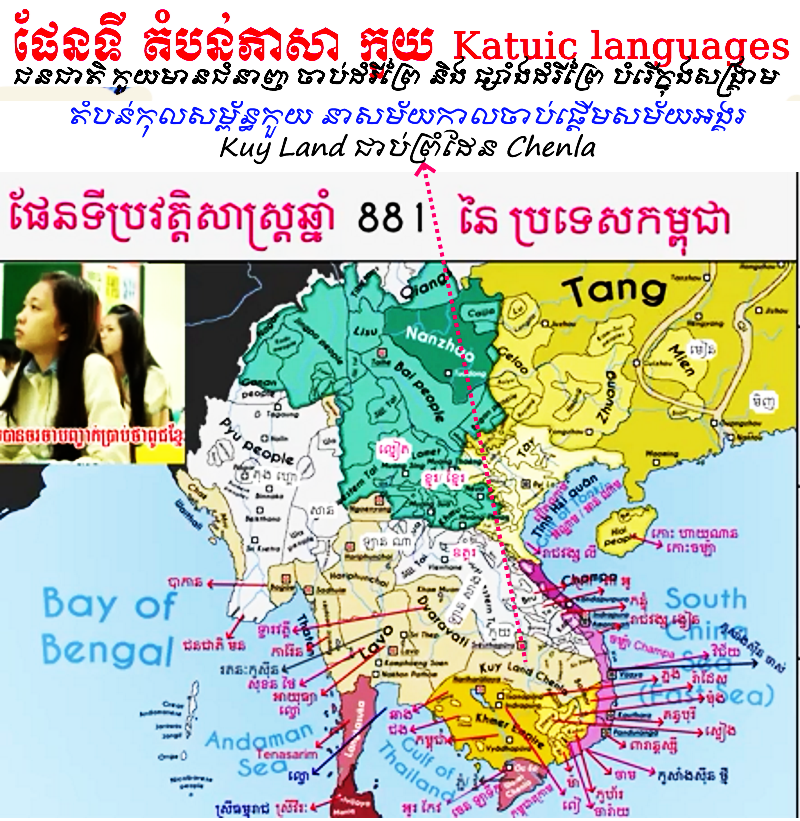
ផែនទី នគរ កួយ ឆ្នាំ ៨៨០ កំណើតនៃ សម័យកាល អង្គរ ( ជាប់ព្រំដែន ចេន ឡា គោក)


ផែនទី នគរ កួយ ឆ្នាំ ៨៨០ កំណើតនៃ សម័យកាល អង្គរ ( ជាប់ព្រំដែន ចេន ឡា គោក) វីដេអូ ផែនទីប្រវត្តិសាស្រ្តខ្មែរ  រូបភាព ជនជាតិ កួយ Koy The Kuy
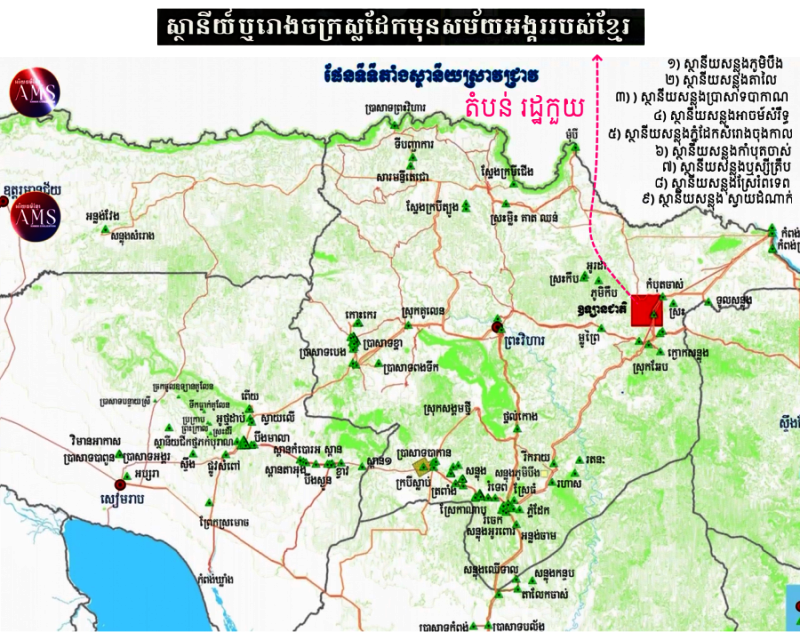
ផែនទី តំបន់ រោងចក្រស្លរដែក មុនសម័យអង្គរ

ជនជាតិ កួយ The Kuy

អំពីប្រវត្តិ ឧស្សាហកម្មស្លរដែក យោងតាមប្រវត្តិខាងក្រោម ឃើញថា កម្ពុជា ទទួលបាន បច្ចេកវិជ្ជាខាង ស្លរដែក មកពី ប្រទេស ចិនផង មកពី ជ្វា ផង រហូត កម្ពុជា ក្លាយជារដ្ឋដែលមាន ឧស្សាហកម្ម ស្លរដែក និង ចម្រាញ់ដែក។
  • ៦០០០ ឆ្នាំ មុន គ​.ស មានការផលិតដែកនៅប្រទេសចិន
  • ៣០០០ ឆ្នាំ មុន គ.ស មានការផលិតដែកនៅ អេហ្សីប ផលិតសម្ភារៈ និង អាវុធ
  • 1024 BCE ប្រាសាទចិន ឈ្មោះ the Zhongyue Temple in Dengfeng. មានការប្រើប្រាសដែក
  • ២៥៦ មុន គ.ស ប្រទេសចិន មានការផលិតដែកឆៅ ឬ ដែកជ្រូក Pig iron, also known as crude iron
  • 645 BCE ប្រទេសចិន មានការចាក់ពុម្ពដែក to create a metal casting.
  • សតវត្សីទី ១ នៃ គ.ស ប្រទេសចិ​នមានបច្ចេកវិជ្ជាធ្វើ ឡ ស្លរដែក 
  • ១៤២ ចិន ក្នុង អាណាចក្រចិន Jin dynasty រកឃើញ រំសេវ ផ្ទុះ ផលិតចេញពី ធ្យូង 
  • ៧០០ ចិន ក្នុង អាណាចក្រ T’ang Dynasty មានការប្រើ រំសេវធ្វើជា អាវុធ
  • ៨០២ ក្នុងសង្រ្គាម ខ្មែរ សៀម នោះ កងទ័ពខ្មែរ បានអូសកាំភ្លើងធំ ដាក់នៅលើ កំពែងប្រាសាទ ដើម្បីបាញ់ការពារទីតាំង 
  • ៨០២ កម្ពុជា ប្រកាសឯករាជ្យ ចេញពី ជ្វា Srivijava
  • ១១០០ បច្ចេកវិជ្ជា ឡ ស្លរ ដែក បានលក់ទៅដល់ទ្វីបអឺរ៉ុប គឺប្រទេស ស្វីស Sweden
  • ១១៧៧ ប្រាសាទព្រះខ័ន (កំពង់ស្វាយ) ខេត្តព្រះវិហារត្រូវបានសាងសង់ឡើង ដើម្បីហ្វឹកហាត់កងទ័ព រយៈពេល ៤ ឆ្នាំ មុនការប្រកាសសង្រ្គាមជាមួយ ទ័ពចម្ប៉ា ដោយទីនោះ ក្បែរភ្នំដែក Phnom Dek ខ្មែរបុរាណ ប្រើ ដែកទាម  I-shaped clamps ដើម្បី ភ្ជាប់ដុំថ្មមួយ ទៅដុំថ្មមួយទៀតឲ្យមានលំនឹង
  • ១៣០០ បច្ចេកវិជ្ជា ឡ ស្លរ ដែក លក់ទៅដល់ បារាំង និង បែលហ្សិក
  • ១៤៥៥ នៅអឺរ៉ុបមានការ ផលិតជា កាំភ្លើងធំ
  • ១៤៩១ បច្ចេកវិជ្ជា ឡ ស្លរ ដែក លក់ទៅដល់ អគ្លេស
  • ១៦១៩ អាមេរិក មានឧស្សាហកម្មស្លរដែក
  • ១៧០០ អគ្លេស នាំចូលដែកពី ស្វីស ដើម្បីបំរើការក្នុងប្រទេស
  • ១៧៨៣ បច្ចេកទេស បំលែងដុំដែក ( ដុំដែកជ្រូក Pig Iron ) ទៅជា ឧបករណ៍ប្រើប្រាស់ wrought iron
  • ១៧៩៣ អគ្លេសក្លាយជាប្រទេសនាំមុខ ខាងឧស្សាហម្មផលិតដែក ដោយសារតម្រូវការផ្នែកយោធា